
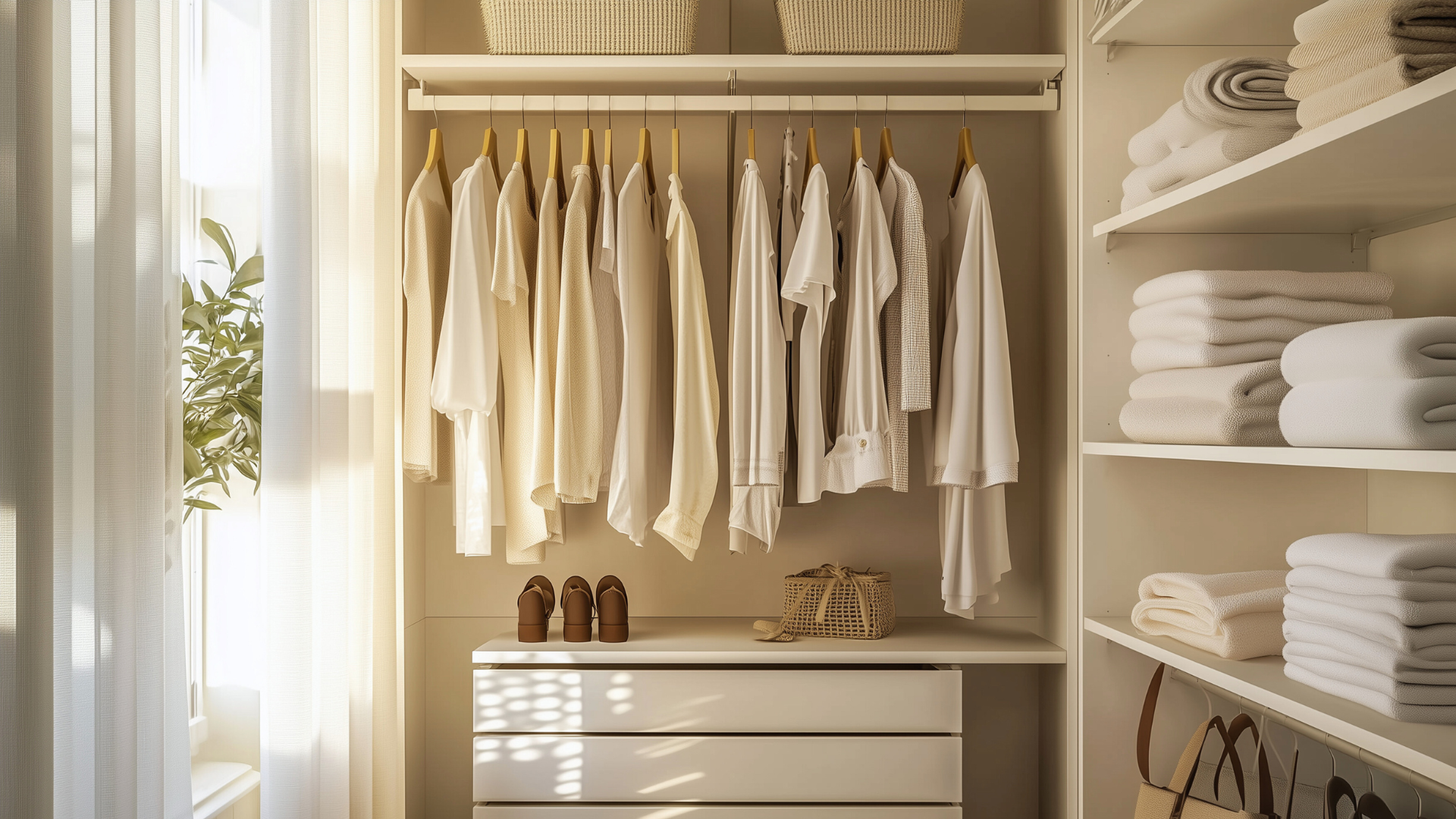

A well-organized closet can save time, reduce stress, and maximize your available space. Effective DIY closet organization starts with assessing your needs, decluttering, and creating designated zones for different items.
Using simple tools like bins, shelves, and hooks can transform a chaotic closet into a functional area without a big budget. Small changes make a big difference in everyday usability and maintenance.
This guide covers practical tips to help you build an organized closet that suits your lifestyle. You’ll learn how to optimize space, store clothes efficiently, and keep everything visible and accessible.
Assessing Your Closet Needs
Understanding the current space and pinpointing specific goals lays the foundation for effective organization. Anticipating common challenges helps tailor solutions that fit your lifestyle and closet limitations.
Evaluating Closet Space
Start by measuring the dimensions of your closet: width, depth, and height. Note any built-in features like shelves, rods, or drawers.
Take inventory of what you currently store, distinguishing between clothing types, shoes, and accessories. This reveals whether existing storage adequately fits your items or if additional structures are needed.
Look for unused vertical space, corners, or awkward areas that can be optimized. Assess lighting and ventilation as they impact usability and maintenance.
Defining Organization Goals
Clarify what you want to achieve with your closet. Is it to increase storage capacity, improve accessibility, or create a visually appealing layout?
Consider your daily routines. For example, frequent outfit changes might require easy access to certain clothes. Seasonal rotation may demand separate storage zones.
Set realistic goals based on your lifestyle and budget. Prioritize functionality over aesthetics if space is limited.
Identifying Storage Challenges
List any problems you face, such as overcrowding, cluttered shelves, or lack of visibility. Pinpoint items that tend to get lost or damaged.
Common issues include insufficient hanging space, awkward corners, and inadequate shoe storage. Note if certain items require special care, like delicate fabrics.
Recognize habits contributing to disorganization, such as not returning items properly or overbuying. Addressing these will improve long-term closet maintenance.
| Challenge | Impact | Possible Solution |
| Overcrowding | Makes items hard to find | Add adjustable shelves |
| Poor lighting | Decreases visibility | Install LED lighting |
| Limited shoe storage | Shoes pile up on the floor | Use stackable organizers |
| Awkward corners | Wasted or inaccessible space | Custom corner shelves |
Decluttering Strategies
Effective closet organization starts with clear steps to reduce clutter. This involves breaking down your belongings, focusing on what you use seasonally, and deciding what to keep, donate, or discard. A systematic approach ensures better use of space and easier maintenance.
Sorting and Categorizing Belongings
Begin by removing everything from your closet. Sort items into categories such as tops, bottoms, shoes, and accessories. Within categories, separate by function or frequency of use—daily wear, formal, or casual.
Use labeled bins or boxes to keep these categories distinct. This visual separation helps identify duplicates or items no longer needed. Pay attention to damaged or ill-fitting clothing to set aside for repair or removal.
Sorting also involves considering storage solutions suitable for each category, like hanging rods for dresses and shelves for folded sweaters. This step lays the groundwork for a streamlined closet.
Seasonal Wardrobe Edits
Divide your wardrobe based on seasons. Store off-season clothes in labeled bins or vacuum bags to free up main closet space. Rotate items as the weather changes to keep frequently worn pieces accessible.
Review each seasonal batch critically. Keep only what fits and has been worn within the last year. This prevents the accumulation of outdated or unused items.
Maintain a digital or physical list of your seasonal wardrobe to track what you own. This reduces unnecessary purchases and helps plan future shopping based on gaps.
Donation and Disposal Tips
Designate three piles: donate, sell, and discard. Clothing in good condition but no longer wanted should move to donation or resale. Use local charities or online resale platforms for donations and sales.
For damaged or stained items beyond repair, dispose of them responsibly. Consider textile recycling options to reduce landfill waste.
Label your bags clearly and schedule pickups or drop-offs promptly. This prevents decluttered items from lingering and regrouping in your space.
Planning a Functional Closet Layout
A well-planned closet layout increases ease of use and maximizes storage capacity. Clear separation of clothing types, efficient use of vertical space, and smart placement of shelves and rods make the difference in creating a functional space.
Zoning for Different Clothing Types
Divide your closet into distinct zones based on clothing categories such as tops, bottoms, outerwear, and accessories. Grouping similar items together helps you find specific pieces quickly and keeps the closet organized.
Use labeled bins or clear containers for small items like scarves and belts within these zones. Consider the frequency of use when placing zones—everyday clothing should be easily accessible, while seasonal garments can be placed higher or in less reachable areas.
Maximizing Vertical Space
Take advantage of the full height of your closet by adding multiple hanging rods and tall shelving units. Installing a double rod system allows you to hang shirts and pants separately, doubling your hanging capacity.
Use hooks or hanging organizers on the back of the door and empty wall spaces for items like bags, hats, or ties. Vertical stacking of drawers or cubbies is ideal for folded items, keeping everything visible and easy to reach.
Optimizing Shelves and Hanging Rods
Adjustable shelves offer flexibility as your storage needs evolve. Position shelves to accommodate different item sizes—shoe racks below shelves, stacks of sweaters or jeans comfortably spaced.
For hanging rods, use sturdy materials and place them at heights suited to the length of your garments. Short rods for shirts and pants, taller rods for dresses and coats. This targeted placement reduces wrinkling and maximizes usable space.
Essential DIY Closet Organization Tools
Organizing a closet effectively requires specific tools that maximize space and improve accessibility. Choosing the right containers, hangers, and organizers can transform clutter into a neat, functional area.
Use of Storage Bins and Boxes
Storage bins and boxes help categorize items while protecting them from dust and damage. Opt for clear plastic bins to easily see contents or label opaque boxes for quick identification.
Stackable bins save floor and shelf space. Use smaller boxes inside larger bins for accessories like scarves or belts. Consider fabric bins for a softer look, especially on open shelves.
Prioritize bins with lids to keep seasonal clothes or seldom-used items clean. Aim for uniform sizes where possible to maintain order and make stacking easier.
Selecting Hangers and Hooks
Different hangers serve various clothing types and help maintain garment shape. Use slim, non-slip hangers for shirts and blouses to prevent slipping and save space.
Padded hangers work best for delicate fabrics, avoiding crease marks and damage. Use sturdy wooden hangers for heavy coats or suits to provide strong support.
Installing hooks on walls or inside the closet door creates extra space for bags, hats, or jewelry. Choose adhesive or screw-in hooks based on your closet’s material.
Drawer Dividers and Organizers
Drawer dividers separate items, keeping socks, underwear, and accessories tidy and easy to find. Adjustable dividers allow customization to fit different drawer sizes.
Use small boxes or trays within drawers for jewelry or watches to prevent tangling or damage. Organizers with compartments improve visibility and maintain order.
Opt for materials that match your closet’s style, such as bamboo, plastic, or metal. Focus on easy-to-clean and durable options for long-term use.
Space-Saving DIY Hacks
Maximizing closet space often means using vertical areas and overlooked surfaces efficiently. Adjustable components and clever storage containers can dramatically increase capacity without major renovations.
Double Hanging Rods
Double hanging rods allow two levels of clothes to be hung in the same vertical space. Installing a second rod below the existing one is ideal for shorter items like shirts, blouses, or pants folded over hangers.
This setup doubles hanging capacity while maintaining easy access. Use tension rods or fixed hardware, depending on your closet’s design. Ensure proper height spacing: about 40 inches between rods is standard to prevent clothes from touching the floor or upper rod.
This hack works well in closets with enough vertical clearance and can be combined with shelves or drawers below for added storage versatility.
Over-the-Door Organizers
Over-the-door organizers take advantage of unused space on the back of doors without reducing hanging or shelf areas. They come in various designs, from shoe racks to pocket organizers, perfect for accessories and small items.
These organizers are simple to install and inexpensive. Key benefits include:
- Keeping frequently used items visible and accessible
- Reducing clutter on shelves and floors
- Easy removal when needed
Choose organizers that fit your door dimensions and item types. Metal hooks or plastic pockets are common, allowing customization for different closet needs.
Under-Shelf Storage Solutions
Utilizing the space beneath shelves can add important storage zones, especially for small or flat items. Under-shelf baskets and hanging containers clip onto existing shelves, creating extra compartments without drilling.
This method is best for storing scarves, belts, folded clothes, or small boxes. It helps keep the shelf surface free and organizes items vertically.
Look for durable materials like wire or fabric with a strong frame to hold weight. Adjustable options allow repositioning as storage needs evolve.
Custom DIY Closet Projects
Maximizing closet space often means adding custom features tailored to your needs. Projects like adjustable shelving, shoe racks, and accessory displays enhance both organization and accessibility.
Building Adjustable Shelving
Adjustable shelving offers flexibility for changing storage requirements. Use metal tracks and brackets mounted inside the closet walls to allow shelf height changes without drilling new holes.
Select sturdy materials like plywood or MDF for shelves, cut precisely to fit your closet dimensions. Sand and paint or stain the shelves for durability and a clean finish.
Install shelves starting from the bottom for better weight distribution. Make sure to secure brackets tightly; loose shelves can cause damage or injury. Adjustable shelving allows storing items of varied sizes, from folded clothes to storage boxes.
Crafting Shoe Racks
A shoe rack organizes footwear neatly and prevents clutter on the closet floor. Simple designs use slanted wooden slats or metal rods arranged horizontally to hold shoes securely.
Build racks with spaced tiers to accommodate different shoe heights. For space-saving, consider vertical racks attached to the closet door or walls. Use durable wood or metal for stability.
Labeling sections by shoe type or frequency of use can help maintain order. Adding a small lip to each shelf prevents shoes from sliding off. This project keeps shoes visible and easy to access.
Creating Accessory Displays
Accessory displays help keep small items like belts, scarves, and jewelry visible and untangled. Use pegboards, hooks, or small baskets mounted on the closet wall or door.
Group similar items together for ease of selection. Hooks work well for hanging necklaces and bracelets to prevent knots. Baskets or small trays hold items like watches or wallets.
Consider adjustable hook placement on pegboards for flexibility. Add labels to identify items quickly. A well-organized accessory display reduces time searching and keeps your closet tidy.
Maintaining an Organized Closet
Keeping a closet organized requires consistent effort and smart habits. Setting clear routines for cleaning, adjusting storage with the seasons, and following organization systems will help maintain order and accessibility in your space.
Regular Cleaning Routines
Scheduling a weekly or biweekly closet check helps prevent clutter buildup. Remove items that no longer fit or that you haven’t worn in months. Use this time to dust shelves and vacuum the floor to keep the environment clean.
Spot-check for misplaced items and return them to their designated spots immediately. Consider using storage bins or baskets labeled by category to simplify daily maintenance. This reduces decision fatigue and keeps everything visible and reachable.
Seasonal Organization Refresh
Reorganizing twice a year, typically before a change in season, keeps your wardrobe relevant and manageable. Swap out clothing based on the weather and store off-season items in containers labeled by type or season to free up space.
Inspect all stored items for wear or damage before putting them away. This is a good time to reassess which pieces to keep, donate, or discard. Updating your closet layout for each season can improve ease of access and visual clarity.
Staying Consistent with Organization Systems
Once you establish storage methods—like color coding, category grouping, or using matching hangers—stick with them. Consistency helps build muscle memory and speeds up the process of putting clothes away.
Use tools such as drawer dividers, shelf organizers, and hooks to maintain separation and prevent piles. Reevaluate your system every few months to ensure it still fits your needs as your wardrobe changes. Adapting promptly keeps your closet functional.
Personalizing Your Closet Organization
Customizing your closet enhances usability and reflects your style. Simple additions like labels, decorative touches, and proper lighting create a functional and pleasant space tailored to your habits.
Labeling and Signage Ideas
Labels streamline finding items quickly. Use clear, durable labels on bins, shelves, and drawers to separate categories such as “Daily Wear,” “Seasonal Clothes,” or “Accessories.”
Fonts should be readable, with color coding for different types (e.g., blue for work clothes, green for casual). Chalkboard or dry-erase labels offer flexibility for changing contents.
Consider sign shapes that match your closet style—sleek rectangles for modern closets or rustic wood tags for farmhouse looks. Label placement is key: place them centrally on containers or at the edge of shelves for easy visibility.
Incorporating Decorative Elements
Adding decorative elements makes the closet inviting. Use matching baskets or fabric bins for consistency in texture and color. Integrate elements like patterned shelf liners or coordinated hangers to elevate the look.
Mirrors inside doors or on walls serve both aesthetic and practical purposes. A small vase or scented sachet can add a subtle personal touch without clutter.
Choose decor that maintains a clean line to avoid crowding the space. Minimalist accents help keep the closet organized while making it visually appealing.
Utilizing Lighting for Visibility
Good lighting reduces the time spent searching. Install LED strip lights under shelves or along hanging rods to illuminate dark corners and highlight specific areas.
Motion sensor lights inside the closet activate automatically when doors open, saving energy and improving convenience. Adjustable brightness settings allow customization for both day and night use.
Use daylight-spectrum bulbs to replicate natural light, which reveals true clothing colors. Avoid harsh spotlights that cause shadows—diffused lighting provides even coverage.