
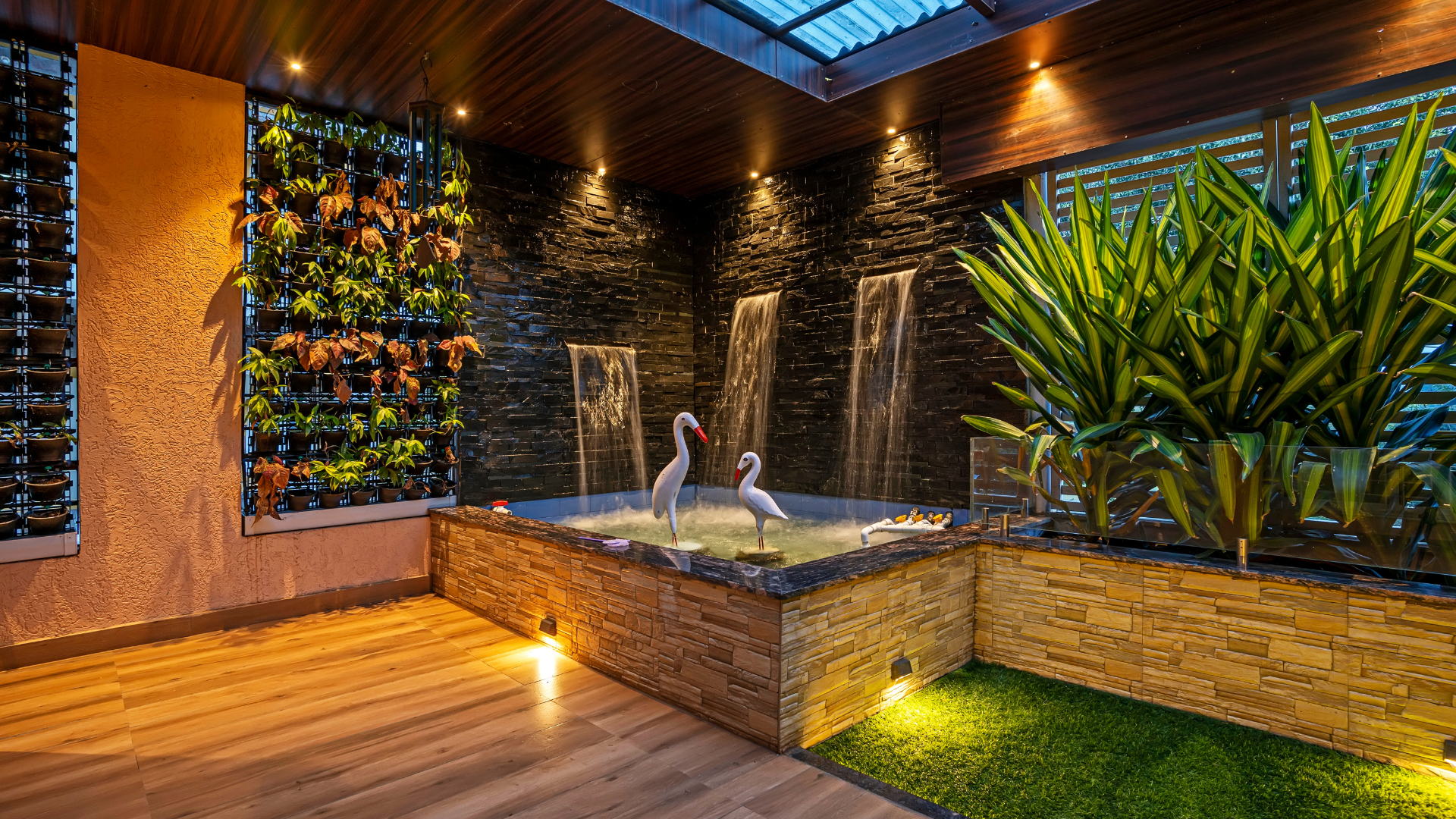

Creating an eco-friendly garden is a rewarding endeavor that benefits both the environment and personal well-being. Sustainable gardening practices help to conserve water, reduce waste, and promote biodiversity. By incorporating native plants, using natural pest control, and implementing efficient watering systems, anyone can cultivate a vibrant outdoor space that thrives in harmony with nature.
The design elements of an eco-friendly garden focus on maximizing resources while minimizing environmental impact. Choosing organic fertilizers, creating compost, and utilizing rain barrels are practical steps that enhance sustainability. Engaging with the natural ecosystem transforms a garden into a haven for wildlife, making it an integral part of the local environment.
A well-planned eco-friendly garden not only serves as a serene retreat but also educates individuals about the importance of environmental stewardship. With thoughtful design and conscious choices, gardens can become sustainable landscapes that inspire others to participate in eco-friendly practices.
Planning Your Eco-Friendly Garden
Planning an eco-friendly garden requires careful consideration of the local ecosystem, plant selection, and design principles. These elements work together to create a sustainable space that supports biodiversity and enhances the property’s overall value.
Assessing Local Ecosystem and Climate
Understanding the local ecosystem and climate is essential for a successful garden. This includes evaluating soil type, sunlight exposure, and water availability.
Key steps:
- Soil Testing: Conduct a soil test to determine pH and nutrient levels.
- Climate Zones: Identify the garden’s climate zone to select appropriate plants.
Factors like drought conditions or heavy rainfall influence what can thrive. Selecting plants that flourish in the local climate boosts success and minimizes maintenance.
Selecting Plants for Garden Health and Biodiversity
Choosing the right plants is crucial for promoting health and biodiversity. Focusing on native plants is particularly effective, as these species are adapted to the local environment. Sourcing plants from American Native Plants or similar others, ensures the introduction of varieties that support local wildlife and pollinators.
Consider these plant types:
- Drought-Tolerant Plants: Ideal for areas with less water.
- Pollinator-Friendly Plants: Flowers providing nectar attract beneficial insects.
- Vegetable Beds: Including a variety of vegetables promotes homegrown nutrition.
Rotating crops and incorporating a mix of species fosters a balanced ecosystem within the garden.
Garden Layout and Design Principles
Designing the layout of an eco-friendly garden requires thoughtful planning. Using eco-friendly materials enhances the garden’s sustainability.
Design elements to incorporate:
- Xeriscaping: This landscaping approach minimizes water use by selecting plants that require less irrigation.
- Rain Gardens: These features capture runoff and reduce erosion while nurturing local wildlife.
Creating distinct zones, such as flower beds, vegetable plots, and wildlife habitats, allows for diverse plant arrangements and better eco-friendliness. Proper layout maximizes the garden’s potential, enriching both aesthetics and functionality.
Finally, one often overlooked aspect of garden planning is safety. While flowering plants and pollinator-friendly species encourage biodiversity, they also attract insects such as bees, which may build nests in or near the garden. This could pose risks of stings to children, pets, and visitors.
Therefore, if a bee nest is discovered, it is important to contact professionals who specialize in bee removal in Doncaster (or elsewhere) to handle the situation safely and responsibly. This typically ensures that both the household and the local pollinator population are protected in an environmentally considerate way.
Implementing Sustainable Practices
Creating an eco-friendly garden involves adopting sustainable practices that enhance soil health, conserve water, and support organic gardening. Below are strategies in three key areas that can make a significant impact on garden sustainability.
Water Conservation Strategies
One effective method for conserving water is the installation of rain barrels. These barrels collect rainwater from rooftops, providing a free source of irrigation.
Drip irrigation systems are a sustainable option, delivering water directly to plant roots while minimizing evaporation and runoff. When properly maintained, these systems can last for years. However, if any issues arise, many companies offering irrigation repair in Florida, such as Sunrise Irrigation, or in your local area, can help ensure the system operates efficiently, continuing to conserve water effectively.
Gardeners can also create basins around plants to capture rainwater and reduce the need for additional watering. Mulching with organic materials helps retain moisture in the soil and reduces watering frequency.
Organic Soil Management
Healthy soil is the foundation of an eco-friendly garden. Composting is essential for enriching soil. Gardeners can make their own compost using kitchen scraps and yard waste.
Incorporating compost into the soil improves its structure, supports beneficial microorganisms, and enhances nutrient availability.
Using organic soil amendments, such as well-rotted manure or bone meal, can improve fertility without synthetic fertilizers. Regularly testing soil health helps determine the specific nutrients needed for optimal plant growth.
Eco-Friendly Plant Maintenance
To maintain plants sustainably, it is crucial to integrate organic gardening practices. This includes using organic mulch to suppress weeds and conserve moisture.
Managing garden pests with natural methods, such as introducing beneficial insects, reduces reliance on synthetic pesticides.
Regularly monitoring plants for signs of distress ensures early intervention without harmful chemicals. Adopting companion planting can also enhance pest control and promote plant health, creating a thriving ecosystem within the garden.
Supporting Wildlife and Insects
Creating an eco-friendly garden involves fostering a balanced ecosystem that supports diverse wildlife and beneficial insects. This section explores how to attract pollinators and create habitats that enhance local biodiversity.
Attracting Pollinators and Beneficial Insects
To encourage pollinators like bees and butterflies, selecting native plants is essential. These plants are well-adapted to the local environment and provide nectar and pollen. Some effective options include:
- Coneflowers
- Milkweed
- Lavender
Group plants in clusters to make them easily accessible for insects. Avoid pesticides, as these can harm beneficial insects. Instead, consider natural alternatives like insecticidal soap or neem oil. Incorporating features like bee hotels can attract solitary bees. These are simple structures that provide nesting sites. A diverse garden with blooming plants throughout the growing season ensures a steady food supply for pollinators.
Bees are essential for pollination; however, if they have started nesting and they can pose stinging risks, especially to children or pets. Therefore, gardeners who want to maintain a safe and harmonious environment can use professional bee relocation services to get rid of bees safely. These services often use environmentally responsible ways and protect the environment, and keep your garden a delightful place for both plants and people.
Creating Habitats for Local Wildlife
Wildlife requires shelter and food sources for survival. Incorporating elements such as bird feeders, native shrubs, and ground cover can drastically improve habitat quality. Specific recommendations include:
- Install birdhouses to provide nesting options.
- Plant berry-producing shrubs to feed birds and small mammals.
- Create a brush pile for shelter and nesting sites.
Water features, such as ponds or small birdbaths, can help support local ecosystems. They serve as drinking spots and breeding grounds for various species. By taking these steps, gardens become vital refuges for local wildlife.