
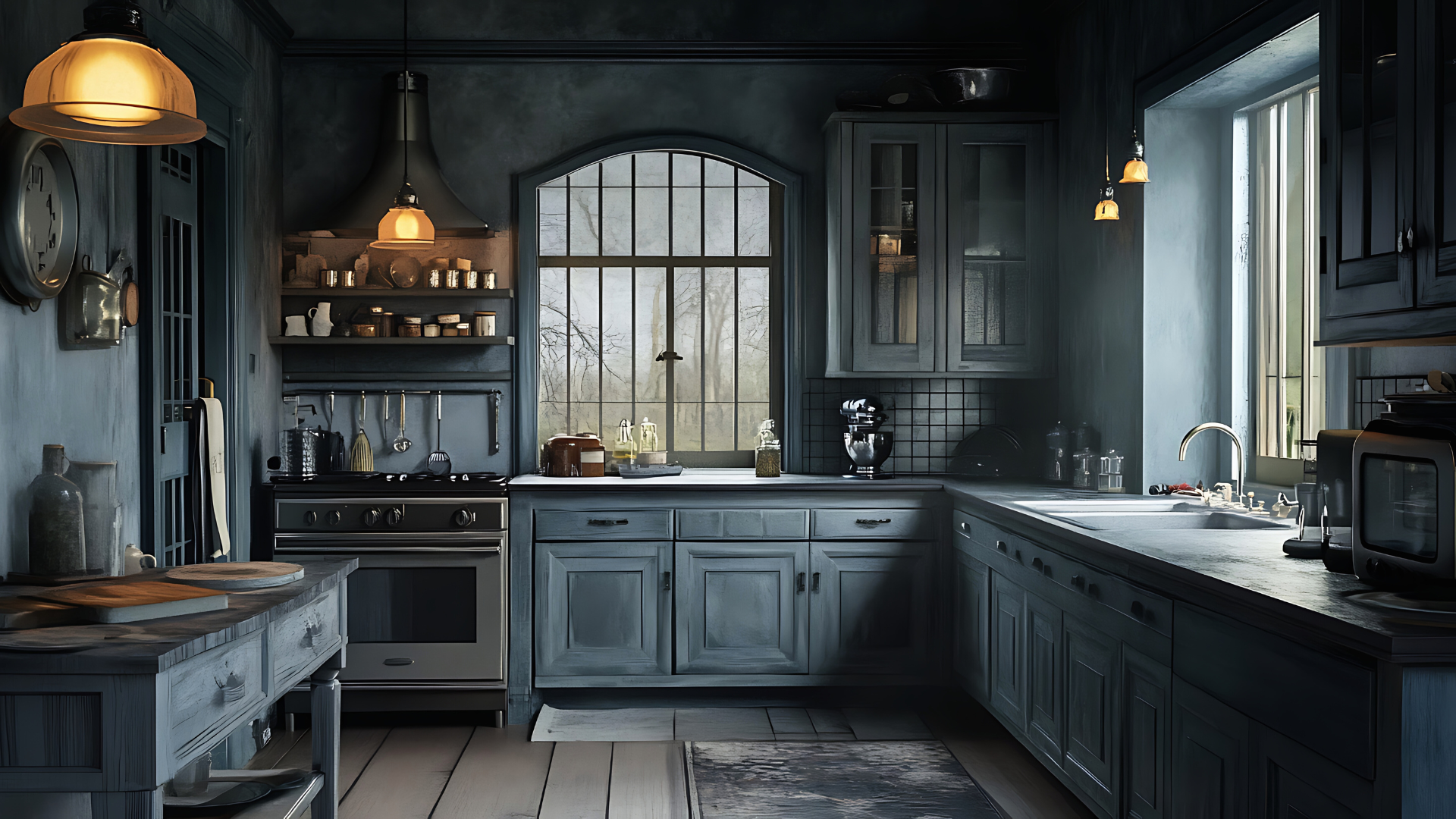

Creating a DIY accent wall in your living room can transform the space quickly and affordably. Simple techniques like painting, wallpaper, or wood paneling allow you to customize your room and add character without professional help.
Choosing the right design depends on your style and the room’s light and size. Whether you prefer bold colors, textured finishes, or geometric patterns, a DIY accent wall can serve as a focal point that enhances your living room’s overall look.
This guide will explore practical ideas and materials to help you make confident decisions, ensuring your accent wall fits seamlessly with your home’s decor.
Benefits of DIY Accent Walls
Creating an accent wall on your own offers distinct advantages in design control, personalization, and cost savings. This approach lets you make bold changes that enhance your living room without overwhelming your entire space.
Transforming Living Room Aesthetics
DIY accent walls can dramatically change the visual appeal of a living room by introducing contrast or depth. Whether using paint, wallpaper, or textured materials, these walls highlight architectural features or focal points.
Choosing a complementary color or pattern draws attention, breaking monotony in a neutral room. For example, a dark charcoal paint behind a sofa adds sophistication, while a geometric wallpaper injects energy. These changes don’t require extensive remodeling but can refresh the entire room’s atmosphere.
Customizing Your Space
DIY projects allow precise customization to fit your personal taste and lifestyle. You can select colors, materials, and designs that reflect your style, unlike ready-made decor solutions.
Adjust the size and placement of your accent wall to balance other elements such as windows, artwork, or furniture. Custom options also extend to texture, like reclaimed wood panels for rustic looks or metallic finishes for modern flair. This level of control ensures your living room suits your unique needs.
Budget-Friendly Solutions
DIY accent walls save money by eliminating labor costs and allowing careful selection of affordable materials. Many projects use basic supplies like paint, stencils, or peel-and-stick wallpaper, which keep expenses low.
In addition, incremental work over time makes it easier to manage spending without sacrificing quality. Compared to hiring professionals, this route often reduces overall costs by 50% or more. For cost-conscious homeowners, DIY accent walls are a practical, stylish upgrade.
Choosing the Right Wall for an Accent
Selecting the correct wall involves evaluating where the eye naturally falls and how the room’s shape and lighting will interact with the accent. The goal is to enhance the room’s character without overwhelming the space.
Identifying Focal Points
Choose a wall that draws attention immediately upon entering the room. This is often the wall behind a sofa, a fireplace, or a media center. If the room has architectural features like built-in shelves or large windows, these can create natural focal areas.
Avoid walls cluttered with multiple doors or passages, as these can interrupt the visual flow. A solid wall with minimal distractions is ideal for an accent.
Lighting and Room Layout Considerations
Lighting affects how colors and textures show on the accent wall. Walls receiving natural light highlight details, while dimmer areas may mute the effect.
Consider the furniture placement in relation to the wall. An accent wall behind a main seating area anchors the space and defines its function. Artificial light fixtures, such as sconces or spotlights, can enhance the accent if natural light is insufficient.
Popular DIY Accent Wall Materials
Choosing the right material for an accent wall depends on the desired texture, ease of application, and durability. Options range from simple paint to textured panels, each offering unique visual effects and installation processes.
Paint Techniques
Paint remains the most cost-effective and versatile material for accent walls. Techniques such as color blocking, ombre, or geometric patterns allow customization with minimal tools.
Matte, satin, or glossy finishes can change the wall’s visual impact. Using painter’s tape can help create sharp lines, while sponges or brushes offer texture.
Specialty paints, including chalkboard or metallic finishes, add character. The preparation involves cleaning, priming, and applying at least two coats for uniform coverage.
Peel-and-Stick Wallpaper
Peel-and-stick wallpaper is ideal for renters or those seeking quick changes. It requires no paste, adhering directly to clean, smooth surfaces.
It comes in various designs, from bold patterns to subtle textures, allowing easy coordination with existing decor. Removal is generally damage-free when done carefully.
Installation demands precise alignment and smoothing to avoid bubbles or wrinkles. It’s best on walls free of dust and moisture for strong adhesion. This option balances aesthetic impact with convenience.
Wood Planks and Panels
Wood accent walls deliver warmth and a natural aesthetic. Options include reclaimed wood, shiplap, or prefinished panels, varying in cost and installation complexity.
Installation can involve nailing or gluing panels directly to drywall or a backing board. Wood should be sealed or treated for durability and easy cleaning.
Natural wood grain offers texture and depth, while painted wood panels suit modern designs. Proper measuring and layout planning ensure even spacing and alignment.
Stone and Faux Brick
Stone and faux brick accent walls provide a rugged, architectural look. Real stone requires skilled installation and is heavier, affecting wall support needs.
Faux brick or stone panels are thinner, lighter, and usually made from polyurethane or molded plaster. They mimic texture and color while being easier to install with adhesive or screws.
These materials can transform a living room with a rustic or industrial vibe. Sealing and occasional maintenance protect the surface from dirt and damage. Installation may require cutting panels to fit corners and outlets.
Creative Accent Wall Designs
Accent walls can transform a living room by adding visual interest and depth. Using a variety of shapes, art techniques, and textures creates unique focal points tailored to the space’s style and mood.
Geometric Patterns
Geometric patterns introduce symmetry and structure to an accent wall. Triangles, hexagons, chevrons, and stripes are common shapes that work well with painters’ tape for clean lines.
Colors can range from monochrome to bold, contrasting hues. Consider a two-tone palette for a modern look or multiple shades of the same color for subtle depth.
This design can complement minimalist furniture or add an edgy feel to an eclectic space. The crisp lines naturally draw the eye and can visually alter room dimensions by emphasizing height or width.
Mural and Artistic Walls
Murals bring a personalized artistic element, ranging from simple nature scenes to complex abstract designs. They can be painted directly or applied as wallpaper murals, depending on skill and budget.
Selecting imagery that reflects personal interests or the room’s function enhances connection to the space. For example, botanical themes create calm, while urban or graphic designs add energy.
Custom murals require planning regarding scale and colors to maintain balance with the room, avoiding overwhelming the other decor elements.
Textured Finishes
Textured accent walls use materials or paint techniques to add physical depth. Options include wood paneling, stone veneers, brick, or textured plaster.
Each material changes the room’s ambiance—wood adds warmth and an organic feel, stone brings ruggedness, and plaster offers subtle variation in light reflection.
DIY techniques like sponging, rag rolling, or stippling with paint can simulate texture without heavy materials. These finishes enhance tactile interest and break monotony on flat walls.
Color Selection Tips for Accent Walls
Choosing the right color is essential when creating an accent wall that enhances your living room. The choice will impact mood, space perception, and how the wall interacts with existing colors.
Complementary Color Palettes
Using complementary colors means selecting hues opposite each other on the color wheel. This creates a balanced contrast that draws attention without clashing. For example, pairing a deep navy blue accent wall with soft orange or coral accessories provides vibrancy and visual interest.
Complementary colors work best when one color is dominant, and the other is used in smaller amounts. Applying the accent color to one wall and reflecting the complementary shade in pillows, rugs, or artwork maintains harmony. Avoid equal saturation to prevent overwhelming the room.
Bold vs. Neutral Tones
Bold colors like emerald green, burgundy, or tangerine create a dynamic focal point. They work well in rooms with abundant natural light and minimalist décor, adding energy and personality. However, bold tones might make smaller rooms feel more confined.
Neutral tones such as greys, beiges, or off-whites offer subtle sophistication. They blend easily with various furniture styles and allow flexibility with décor updates. Neutral accent walls brighten spaces and create calm without stealing focus from other design elements.
| Color Type | Effect | Ideal Room Conditions |
| Bold | Energizing, attention-grabbing | Spacious, bright, minimalist |
| Neutral | Calming, versatile | Small or mixed-use living areas |
Planning and Preparation Steps
Careful measurement and identifying the right materials are critical for a successful accent wall project. Planning the layout precisely ensures a clean final look, while having the correct tools and supplies ready helps avoid interruptions.
Measuring and Layout
Start by measuring the entire wall width and height using a tape measure. Record these dimensions accurately to determine the total square footage.
Next, mark the wall for your accent design. Use a level and pencil to draw guidelines for patterns like stripes or boards. For geometric shapes, sketch the outline based on your design with painter’s tape.
Double-check measurements for symmetry and alignment. Verify that furniture placement allows the accent wall to be visible and not obstructed. Consider how baseboards, outlets, or light switches will affect your layout.
Gathering Tools and Materials
Prepare a list of essentials based on the design choice. Common tools include a paint roller, brushes, painter’s tape, putty knife, sanding block, and level.
Materials depend on the accent style; options include paint, wallpaper, wood planks, or stencils. Purchase primer and paint if the wall needs sealing or a color base.
Ensure you have drop cloths, painter’s tape, and cleaning supplies for prep and cleanup. Organizing tools and materials beforehand speeds up the process and maintains consistency.
DIY Installation Techniques
Proper planning and precise execution are essential for a successful accent wall. This includes preparing the surface, following detailed painting steps, or correctly applying wallpaper or panels to ensure a polished look.
Surface Preparation
Start by cleaning the wall thoroughly to remove dust, grease, and any loose particles. Smooth the surface with fine-grit sandpaper, focusing on imperfections like bumps or cracks.
Fill holes and cracks with spackle or filler, then sand smooth once dry. Wipe the wall down again to remove sanding dust. If the wall has a glossy finish, lightly sand it to help paint or adhesive stick.
Use painter’s tape to protect adjacent walls, trim, and ceilings. Cover floors and furniture with drop cloths. These steps ensure a clean, even base for your accent material.
Step-by-Step Painting
Choose a high-quality primer suitable for your wall type. Apply evenly using a roller for broad areas and a brush for edges and corners. Allow it to dry completely before painting.
Use painter’s tape to create clean, sharp boundaries for your accent area. Select a paint color that contrasts or complements your living room palette.
Apply two coats of paint for full coverage, allowing proper drying time between coats. Use a roller for large sections and brushes for precision. Remove tape before the paint fully dries to prevent peeling.
Applying Wallpaper or Panels
Measure and cut wallpaper or panels accurately to fit the accent area. For wallpaper, apply adhesive evenly on the back or on the wall, depending on the type. Use a smoothing tool to remove air bubbles.
For wood or PVC panels, anchor securely with nails or adhesive designed for your wall type. Check that each panel is level before fixing.
Work from the top down and side to side to ensure alignment. Clean any adhesive residue immediately to prevent staining.
Accent Walls for Different Living Room Styles
Accent walls vary depending on the style of the living room. The choice of materials, colors, and patterns should complement the specific aesthetic to enhance the space effectively.
Modern and Minimalist
In modern and minimalist living rooms, accent walls rely on simplicity and clean lines. Neutral tones like gray, white, or black work well, paired with smooth surfaces such as matte paint or large-format tiles.
Textured materials like concrete or sleek wood panels add subtle visual interest without overwhelming the space. Avoid busy patterns or bright colors that disrupt the calm, balanced feel.
Lighting can highlight the accent wall while maintaining a minimalist vibe. Recessed or strip lighting enhances texture and depth quietly and elegantly.
Rustic and Farmhouse
Rustic and farmhouse styles benefit from natural, tactile accent walls. Reclaimed wood or shiplap painted in soft whites, creams, or warm browns creates warmth and character.
Stone or brick veneer walls also add an earthy, grounded element ideal for these styles. Weathered textures bring authenticity and match well with exposed beams or vintage décor.
Consider layering finishes, such as combining wood with neutral paint or rough plaster, to deepen the rustic feel. These choices maintain a cozy, welcoming atmosphere.
Eclectic and Bohemian
Eclectic and bohemian living rooms allow for bold, expressive accent walls. Rich, saturated colors like deep blues, oranges, or jewel tones work best here.
Patterns such as Moroccan tiles, geometric wallpaper, or hand-painted murals add personality and a collected look. Mixing materials—textiles, wood, metal—can create a vibrant and layered backdrop.
Don’t shy away from texture. Velvet panels, woven tapestries, or textured paints amplify the boho aesthetic and elevate the wall into a focal point full of energy and creativity.
Maintaining and Updating Your Accent Wall
Regular cleaning helps keep your accent wall looking fresh. Use a soft cloth or sponge with mild soap and water to remove dust and stains. Avoid abrasive cleaners that may damage the surface.
To address small chips or scratches, keep some matching paint or materials on hand. Touching up these areas promptly prevents them from becoming more noticeable.
Updating the look doesn’t require a full redo. Consider options like:
- Repainting the wall in a new color
- Adding removable wallpaper
- Applying decals or stencils for new patterns
These solutions allow easy changes without extensive work.
Seasonal updates can keep the accent wall feeling current. Swap out artwork or decorative elements to complement the wall’s color or texture.
Tip: Use painter’s tape to create clean lines when changing designs or colors. This ensures a professional finish with minimal effort.
Tracking your materials and techniques in a simple log can save time when it’s time to update or repair. Include paint codes, fabric types, or tools used for easy reference.
Common Mistakes to Avoid with DIY Accent Walls
One common mistake is choosing a color that doesn’t complement the rest of the room. An accent wall should enhance the living space, not clash with existing furniture or decor. Test paint samples on the wall before committing to one shade.
Another error is using complicated patterns without proper planning. Complex designs like stripes or stencils require precision. Without careful measurement and patience, the final result can look uneven or sloppy.
Ignoring wall preparation is also problematic. Failure to clean, sand, or prime the wall can lead to poor paint adhesion and uneven texture. Taking time to prep ensures a smooth, long-lasting finish.
Overloading the wall with texture or decorations can overwhelm the space. Keep accent walls balanced by avoiding too many embellishments that compete visually. Minimalism often works best.
| Mistake | Impact | Solution |
| Poor color choice | Clashes with room decor | Test samples in different lighting |
| Lack of planning | Uneven or messy design | Measure carefully; plan steps |
| Skipping wall prep | Paint peels, uneven finish | Clean, sand, and prime the surface |
| Overdecorating | Creates a cluttered, busy look | Use simple, tasteful accents |
Avoiding these common pitfalls will improve the success of any DIY accent wall project.