
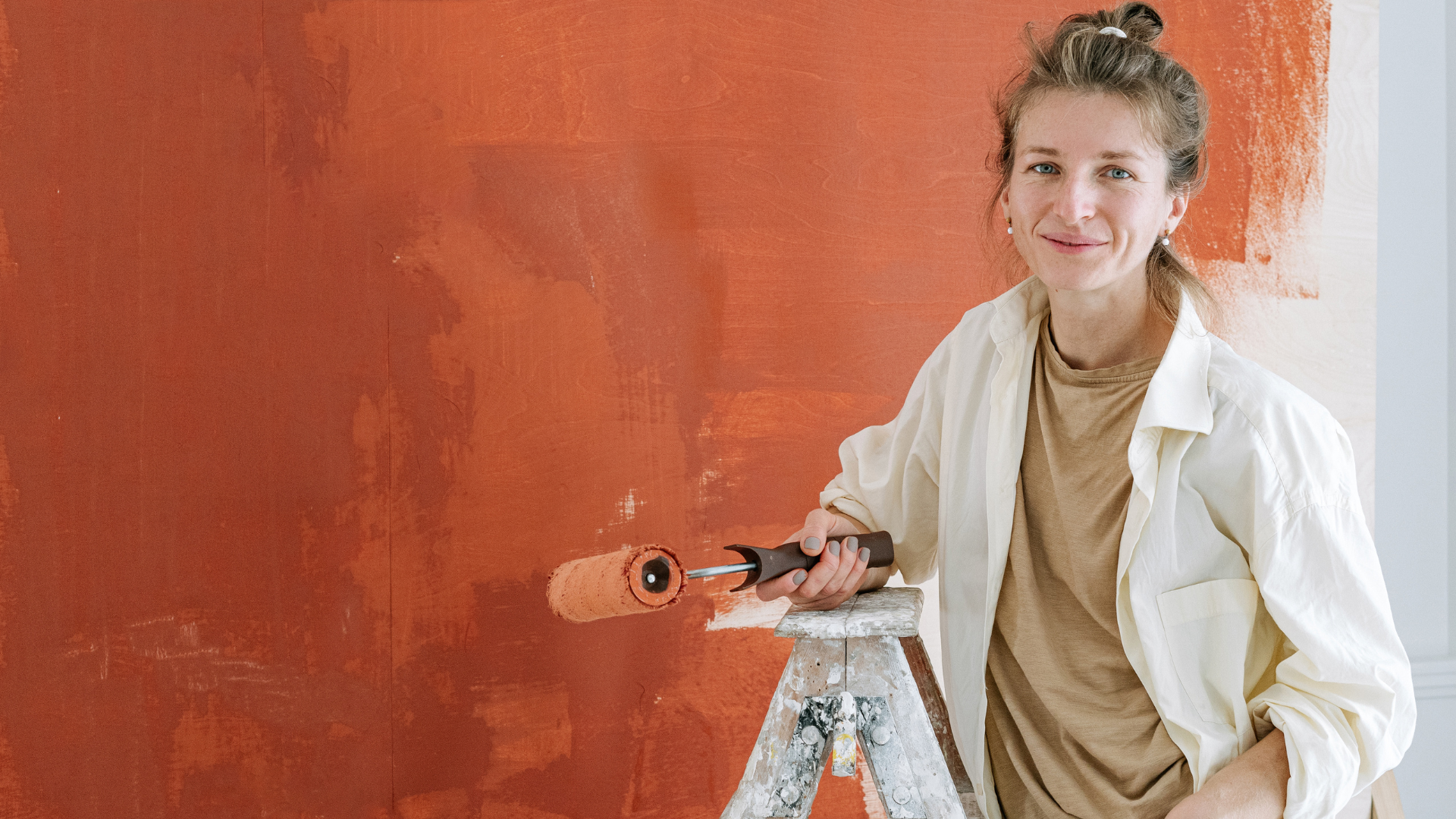

Painting your walls can dramatically change the look and feel of any room. The best DIY painting techniques for walls include methods like roller application, sponge painting, and using painter’s tape to create clean lines. These techniques help achieve professional-looking results without hiring a pro.
Choosing the right technique depends on the style you want and the condition of your walls. Whether you’re going for a smooth finish or a textured effect, having a clear approach saves time and reduces mistakes.
This guide covers practical, easy-to-follow methods that anyone can try. Understanding these techniques makes your painting project more efficient and satisfying.
Preparation Essentials for DIY Wall Painting
Successful wall painting starts with careful selection of materials, thorough surface preparation, and protecting your space. Addressing imperfections and ensuring the right tools are on hand will create a smooth, lasting finish.
Choosing the Right Paint and Tools
Select paint based on room use and desired finish. For high-traffic areas or kitchens, use durable, washable paints like satin or semi-gloss. Bedrooms and living rooms benefit from matte or eggshell finishes that hide imperfections.
Invest in quality brushes and rollers. Use synthetic bristle brushes for latex paint and natural bristles for oil-based paint. A 3/8-inch roller nap fits smooth walls, while a 1/2-inch or thicker roller suits textured surfaces. Also, have painter’s tape, a paint tray, and a sturdy ladder ready.
Surface Cleaning and Priming
Clean walls thoroughly to remove dust, grease, and stains. Use a mixture of mild detergent and water, then rinse and dry completely. For kitchens and bathrooms, consider a trisodium phosphate (TSP) solution for tougher grease.
Apply primer to improve paint adhesion, especially on bare drywall, patched areas, or when switching paint types (e.g., oil to latex). Use a stain-blocking primer if the walls have watermarks or smoke damage. Primer also evens out surface texture and color.
Protecting Floors and Fixtures
Cover floors with drop cloths or plastic sheeting secured with painter’s tape. This prevents paint spills and drips from staining carpets or hardwood. Remove or mask electrical outlet covers and light switch plates to avoid accidental paint marks.
Tape along baseboards, window frames, and door trims with precision. Press down the edges firmly to create a clean line. Protect light fixtures and furniture by moving or covering them before painting starts.
Repairing Imperfections and Cracks
Inspect walls closely for holes, cracks, and dents. Use spackling compound or joint compound to fill small holes and repair cracks. For larger damaged areas, apply mesh tape before compounding to reinforce repairs.
Sand patched spots smooth after drying. Clean dust off with a damp cloth before priming and painting. Addressing these issues ensures an even surface and reduces the chance of peeling or uneven paint layers.
Fundamental Brush and Roller Techniques
Mastering brush and roller techniques ensures clean edges, even coverage, and a professional finish when painting walls. Focus on precise cutting-in, consistent roller application, and blending these methods to avoid visible marks or uneven texture.
Proper Cutting-In for Edges
Cutting-in sets the foundation for a sharp paint border along ceilings, corners, and trim. Use a high-quality angled sash brush, ideally 2 to 2.5 inches wide, for better control in tight spaces.
Start by loading the brush with a moderate amount of paint—avoid overloading to prevent drips. Hold the brush at a slight angle and lightly drag it along the edge in smooth, steady strokes. Work in sections no larger than 2 feet wide to maintain wet edges, which helps avoid noticeable boundary lines.
If you need to pause, feather out the paint at the stopping point. Clean, slow motions reduce splatter and help maintain a crisp, even line between the painted edge and the adjacent surface.
Achieving Seamless Roller Coverage
Rollers are ideal for covering broad wall areas quickly, but require technique to prevent streaks or texture inconsistencies. Choose a roller nap suited to your wall texture—1/4 inch for smooth surfaces, up to 3/4 inch for textured walls.
Load the roller evenly with paint, rolling it along the tray’s ridges to avoid excess buildup. Apply paint in a “W” or “M” pattern, then fill in without lifting the roller. This distributes paint evenly across the surface.
Maintain consistent pressure to avoid roller marks. Overlapping each pass by about 2 inches ensures seamless coverage. Work from top to bottom and always keep a wet edge to prevent lap marks.
Blending Brush and Roller Finishes
Blending brush and roller sections smooths the transition between edges and main wall areas, essential for a uniform appearance. After cutting in, lightly reload the roller with paint and roll over the edge area in soft, gentle strokes.
Avoid heavy pressure near the brush lines to prevent pulling paint away. Use a partial roller stroke blending technique, feathering outwards into the adjacent painted area. This soft blending reduces visible seams.
If the paint starts drying, lightly mist the wall with water (only if using latex paint) to keep it workable. A well-blended finish blends individual strokes into an even, professional look without brush or roller texture differences.
Creative Painting Techniques for Unique Effects
These painting methods add distinct textures and visual interest to walls by manipulating paint application. Each technique uses simple tools and layering to create depth and subtle patterns that stand out without overwhelming the space.
Sponge Painting for Texture
Sponge painting uses a natural or synthetic sponge to apply or remove paint, creating a textured surface. Start with a base coat, then dab the sponge in a contrasting paint color and gently press it onto the wall. The irregular pattern adds dimension and breaks up flat color.
To control the look, use different sponge types and varying pressure. Light dabbing produces a softer texture, while a heavy hand gives a bolder effect. Be sure to overlap sponge marks and work in small sections to avoid harsh lines.
This method works well with two-toned color schemes and can emphasize natural imperfections or add interest to plain walls.
Rag Rolling for Soft Patterns
Rag rolling involves rolling a paint-soaked rag over a wet base coat to create subtle, swirling patterns. After applying the first paint layer and while it’s still damp, roll the crumpled rag vertically or horizontally.
This technique is suited for adding gentle movement to walls without sharp or defined shapes. Choose similar shades of paint for a tone-on-tone effect or contrasting colors for more visibility.
It is important to keep the rolls loose and avoid pressing too hard to maintain the delicate, feathered edges. Use quick, random motions to prevent repetitive patterns.
Color Washing for Depth
Color washing layers a translucent glaze over a base coat to produce a softly blended color effect. Mix paint with glaze to thin it, then apply with a large brush or cloth in sweeping, irregular strokes.
This creates a luminous, layered appearance that enhances depth. The semi-transparent nature of the glaze lets the base color show through subtly, making walls appear richer.
To avoid streaks, keep the glaze wet and work quickly. Multiple thin layers allow for better control of intensity and blending between colors.
Color washing is versatile and can suit both traditional and modern interiors when done with coordinated hues.
Geometric and Stencil Patterns
Creating geometric shapes and stencil designs on walls requires precision and planning. These techniques help add interest and texture while allowing for clean, professional-looking results. Attention to detail during preparation and execution is crucial.
Taping Methods for Clean Lines
Using painter’s tape is essential for sharp, clear edges in geometric wall patterns. Apply tape firmly along the desired lines to prevent paint bleeding underneath.
For the best results, paint the base color and allow it to dry completely before taping. After removing the tape, pull it back slowly at a 45-degree angle while the paint is still slightly wet to avoid peeling.
Use low-tack painter’s tape designed for walls. Avoid using standard masking tape, as it can damage drywall or leave residue. Measure and level carefully with a laser level or ruler before applying the tape for consistent shapes.
Using Stencils for Custom Designs
Stencils allow replication of detailed designs with ease. Choose reusable plastic or metal stencils for durability. Fix the stencil securely to the wall with painter’s tape to prevent shifting.
Use a stencil brush or sponge for applying paint with a dabbing motion rather than brushing to avoid smudging. Multiple thin coats work better than one thick coat for crisp edges.
Test the stencil on a scrap surface first. Clean the stencil between uses if applying multiple colors or layers. Larger patterns can be recorded with registration marks to line up repeating designs accurately.
Accent Walls with Bold Shapes
Accent walls featuring large geometric shapes create visual focus and depth. Start with a clear layout using chalk lines or pencil marks on the wall. Combine contrasting colors to maximize impact.
Shapes such as triangles, rectangles, or hexagons work well. Paint the largest shape first, followed by smaller ones inside or overlapping to add dimension. Use painter’s tape to isolate each shape precisely.
Balance is key; avoid overcrowding the wall. The painted shapes should match the room style and existing decor for coherence.
Advanced DIY Wall Painting Methods
These techniques add depth and texture to walls beyond simple color application. They require precision and patience, but the visual impact can transform a room significantly.
Ombre and Gradient Effects
Ombre involves blending colors from dark to light or from one hue to another smoothly across a wall. Start by selecting 2-3 paint shades that transition well together. Use a large brush or roller to apply the darkest color at the base.
Work upwards by gradually mixing the darker color with the lighter shade. Apply blended paint with horizontal strokes to soften the transition line. Using a damp sponge or brush helps to blur and smooth edges further.
Let each section dry slightly before moving on to prevent colors from running. The key is layering thin coats and blending while the paint is wet to achieve a seamless gradient.
Strié for Subtle Striped Texture
Strié creates thin, vertical or horizontal stripes that emulate fabric-like texture. It is best done with a glaze mixed from paint and water or glazing medium for easier manipulation.
Apply a basecoat and allow it to dry completely. Then, brush the glaze over a small section, working with a dry or slightly damp brush. Pull long, consistent strokes downward or sideways while the glaze is still wet.
For a sharper effect, use a natural bristle brush or a comb-like tool. Strié can be done in two colors or the same tone to achieve either contrast or a soft textural lift. Practice on a test board to perfect stroke pressure and direction.
Finishing Touches and Cleanup
Properly restoring the room and cleaning up after painting ensures a professional appearance and maintains safety. Attention to detail during these final steps will protect surfaces and keep the environment tidy.
Restoring Room Elements
Remove painter’s tape slowly to avoid peeling fresh paint. Pull the tape back on itself at a 45-degree angle for a clean edge. Reattach any switch plates, outlet covers, and light fixtures with care.
For hardware like door handles and curtain rods, clean off any paint splatters using a cloth dampened with warm soapy water or rubbing alcohol. Clean windows and mirrors to remove dust and paint residue. Replace furniture and wall decorations only after the paint has fully dried, typically 24 to 48 hours, to avoid smudges or damage.
Disposing of Materials Responsibly
Dispose of paint cans according to local hazardous waste regulations. If paint is still usable, consider donating it to community centers or schools. Empty cans can usually be recycled, but check with your local recycling program first.
Clean brushes and rollers with water if latex-based paint was used, or mineral spirits for oil-based paint. Avoid pouring solvents or rinse water down drains. Store leftover paint in sealed containers with labels to maintain usability and safety.
Maintenance and Longevity of Painted Walls
Proper care is essential to keep painted walls looking fresh and vibrant. Regular cleaning and timely touch-ups help maintain the surface and extend the life of the paint.
Cleaning Painted Surfaces
Use a soft, damp cloth or sponge with mild soap and water to clean walls. Avoid abrasive cleaners or rough scrubbing, which can damage the paint or finish.
For stubborn stains, test a small hidden area first. Apply a gentle cleaner like diluted white vinegar or a baking soda paste for spot cleaning.
Dry walls with a clean towel after washing to prevent moisture buildup. Clean walls every few months or more often in high-traffic areas like kitchens and hallways.
Touch-Up Strategies
Match the original paint color precisely to avoid noticeable patches. Keep leftover paint in a sealed container for future repairs.
Before touching up, clean the area and lightly sand it to ensure smooth blending. Use a small brush or roller, applying thin layers and feathering the edges.
Allow touch-ups to dry fully before assessing the need for additional coats. Regular touch-ups prevent small chips or scratches from worsening.